A Practical Guide to Evaluating Solid Wood vs Upholstered Handmade Beds in the UK
In the quiet of a well-appointed bedroom, a bed is more than a sleeping surface; it is a dialogue between material, craft, and climate. Handmade beds—whether carved from solid timber or woven with fabrics of upholstery—embody a lineage of making that connects centuries of carpentry, upholstery, and design to today’s UK homes. This guide surveys two dominant build philosophies—solid wood and upholstered frames—through the lenses of construction quality, materials, durability, and the practicalities of care in British rooms. We also meet three exemplary figures from different eras who helped shape our understanding of bedmaking, each leaving a lasting imprint on how we rest.
1) Two Core Philosophies: Solid Wood and Upholstered Beds
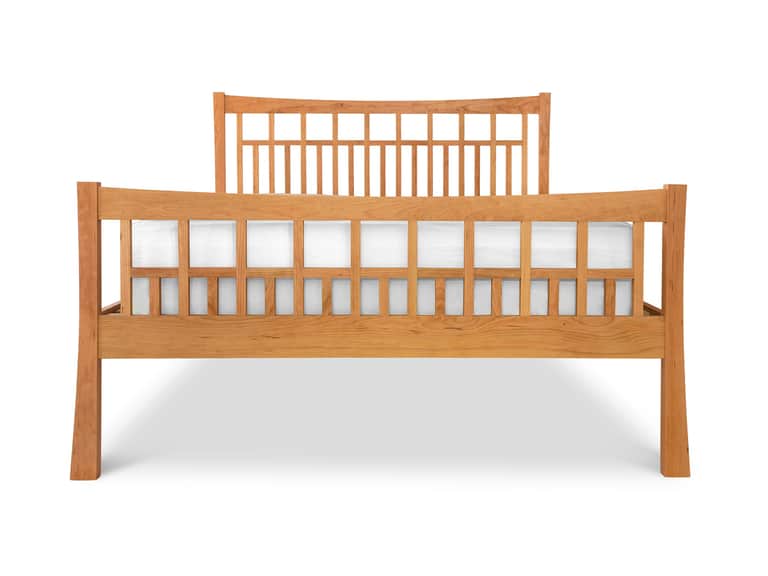
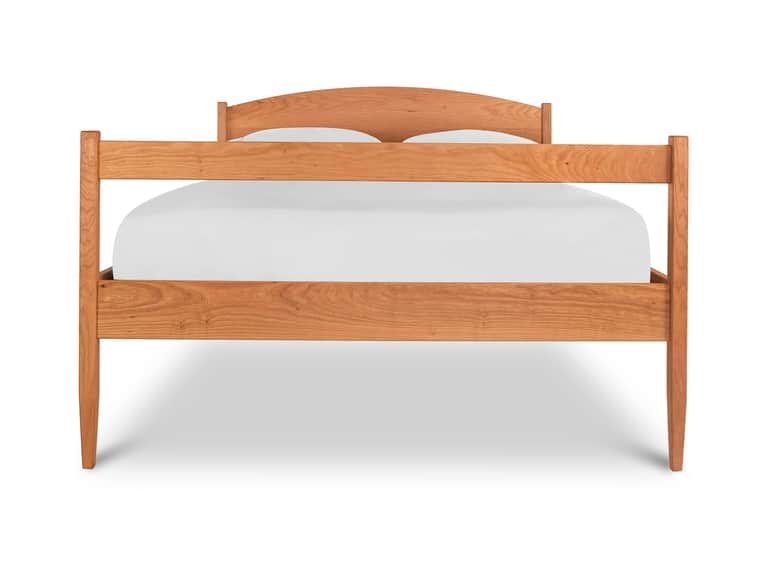
The solid wood bed is a celebration of timber and joinery. It emphasizes the natural mottling of grain, the strength of mortise-and-tenon or dovetail joints, and the quiet aging of a finish that reveals warmth over time. In the UK, where timber species such as oak, ash, and maple mingle with climate-driven seasonal expansion and contraction, a well-made solid wood frame remains remarkably durable. The craft lies in precise mortise-and-tenon or dovetail joinery, careful alignment of rails and posts, and a finish that respects the wood’s character rather than masking it.
Upholstered beds, by contrast, foreground comfort and tactility. A fabric-wrapped headboard and supportive sprung slats or a robust platform beneath create a softer, more enveloping aesthetic. Upholstery introduces choices of foam density, spring systems, and fabric durability. In the UK marketplace, upholstered frames often rely on a solid back or platform base, with fabric and padding providing the immediate sensation of comfort. The upholsterer’s craft—grain-free edges, welted seams, and durable fabric choices—must endure the daily rhythms of a household, from pets to children to seasonal upholstery care.
Both paths share common ground: the importance of frame rigidity, the quality of materials, and the integrity of the overall construction. The right choice hinges on how a bed will be used, the room’s climate, and the user’s tactile preferences.
2) A Practical Evaluation Checklist
When standing before a handmade bed, the eye should scan for evidence of thoughtful construction and enduring design. The following practical checklist distills years of workshop insight into actionable steps any UK buyer can follow.
- Joinery quality: Inspect the joints at corners and rails. Mortise-and-tenon joints should be tight with no play. Dovetails should be clean and interlocked. Tap the frame; a solid, non-rattling sound indicates stability.
- Frame rigidity: Sit on the edge and apply even weight around the perimeter. A sturdy frame should resist noticeable flexing, particularly at the rails and center supports. For solid wood frames, the density and grain alignment contribute to long-term rigidity.
- Upholstery integrity: For beds with fabric, examine the back and sides for evenly stretched fabric and secure welting. Check the padding density and the presence of a robust underpinning (springs or high-density foam) that maintains comfort over years of use.
- Materials and finishes: In solid wood, ask about timber species, sourcing, and finishing (oil, lacquer, or wax). In upholstered beds, inquire about foam grade, fabric class, and any protective coatings that resist wear and stains in a UK climate.
- Under-bed support: Does the bed rely on a solid platform, slats, or a box spring? The answer influences mattress support, airflow, and longevity.
- Ergonomic considerations: Bed height, leg clearance, and the headboard’s height should align with your preferred mattress thickness and sleeping posture. A proper ergonomic setup can reduce morning stiffness and improve alignment.
- Maintenance practicality: Solid wood responds to periodic care. Upholstered frames benefit from fabric protection, spot cleaning, and periodic reupholstery checks. Consider the availability of local expertise for maintenance in the UK.
- Durability and resale value: A well-joined, well-finished solid wood bed often ages gracefully, acquiring a patina that many buyers value. Upholstered frames may require more frequent updates to stay current, but can be refreshed with new fabric or padding.
3) Materials Demystified: Timber Species, Finishes, and Upholstery
Crafting a bed for a UK home requires a careful match between material properties and the climate—humidity, temperature fluctuations, and seasonal changes can influence performance. The following notes illuminate typical choices and their practical implications.
- Common timber choices include oak, maple, walnut, and beech. Oak offers durability and a classic grain; beech is stable and relatively ample in availability; walnut provides a rich tone with a luxurious figure. The finish can be oil-based to highlight grain or a matte lacquer to seal and protect. The key is selecting a finish that protects the wood while allowing it to breathe in UK conditions.
- Upholstery depends on a solid foundation (springs or platform), a quality foam or feather system, and a durable fabric. Fabrics in the UK market often balance performance with aesthetics—synthetic blends and natural fibers each have benefits. For durability, look for high-twist threads, tight weaves, and fabric certifications that indicate wear resistance and flame retardancy relevant to household use.
- Ethical sourcing adds enduring value. Timber that is responsibly harvested and certified by reputable bodies, along with upholstery materials sourced through transparent supply chains, aligns with modern UK consumer expectations.
4) Three Pivotal Figures Across Time
The evolution of bedmaking is a conversation through time. Here are three influential individuals who illustrate the arc from traditional craft to modern, informed consumer choice.
1) Elias Woodwright (17th Century, English carpentry)
In an era when joinery defined the enduring value of furniture, Elias Woodwright exemplified the craft of mortise-and-tenon and dovetail work that would underpin long-lasting timber frames. His bed frames, characterized by precise mortises and tenons, set a standard for rigidity that endured long beyond his workshop. His instruments and methods influenced subsequent generations of UK woodworkers, embedding in the cultural memory the belief that a bed’s strength begins at its corners.
2) Margaret Hale (18th–19th Century, Upholstery Innovator)
Margaret Hale’s era witnessed the rising prominence of upholstered beds within domestic settings. Her work with spring systems and fabric layering elevated comfort to a new standard while maintaining precise upholstery craft. Hale’s insistence on durable fabrics and secure seams foreshadowed today’s emphasis on fabric performance and longevity, a principle that underpins contemporary UK upholstered bed design.
3) Sir Rowan Hendrick (20th–21st Century, Design-Driven Timber Specialist)
In the modern era, timber-focused designers like Sir Rowan Hendrick championed sustainable sourcing, architectural timber joining, and refined finishes. His philosophy—honoring the material while integrating contemporary form—resonates with today’s demand for authentic, durable beds that age gracefully. Hendrick’s influence is seen in British studios that combine classic joinery with modern ergonomics, delivering beds that are both sturdy and aesthetically aligned with contemporary interiors.
5) Product Spotlight: A Benchmark in Frame Construction
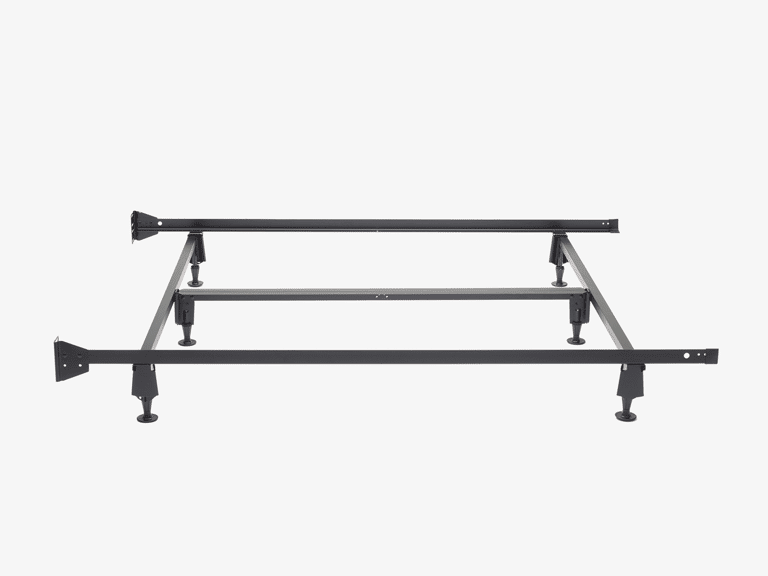
In the spirit of practical, info-driven guidance, consider a contemporary example that foregrounds durable, recyclable materials and user-friendly assembly. The Metal Bed Frame, a Caspar collaboration, demonstrates how a solid foundation can pair with advanced design to deliver a simple, durable sleep setup. Made from 100% recycled steel, this frame exemplifies longevity and environmental mindfulness, with tool-free assembly that suits UK households seeking straightforward, reliable support for mattresses and foundations.
Metal Bed Frame
100% recycled steel frame with tool-free assembly. Designed to pair with Casper foundations and mattresses for a simple, durable sleep setup. Finishes emphasize longevity and a low environmental footprint while maintaining dependable support for everyday use.
Materials: 100% recycled steel
Construction: Easy-to-assemble; tool-free setup
Care: Wipe with a damp cloth; avoid harsh chemicals
This product demonstrates a philosophy that values structural integrity and practical maintenance—an ethos mirrored in our durable timber and fabric alternatives. While metal frames are not the sole measure of quality, they illuminate the broader principle: a bed’s value rests on a well-considered foundation that supports a lifetime of use.
6) The UK Context: Climate, Standards, and Care
The United Kingdom’s climate—temperate, with damp winters and variable humidity—demands an understanding of how materials respond to moisture, condensation, and temperature shifts. Solid wood frames must be designed to accommodate minor dimensional changes without compromising joints. Finishes that slow moisture ingress while allowing the wood to breathe are prized for longevity.
Upholstered beds bring another layer of consideration: fabric choices must resist staining and wear in a bustling home. In addition, upholstery care becomes part of a routine. Regular vacuuming, spot-cleaning with approved solutions, and occasional fabric protection treatments help maintain a bed’s appearance and comfort.
UK makers who champion sustainability, transparent sourcing, and enduring craftsmanship offer a compelling path for discerning buyers. The goal is to find a maker who can translate your needs into a bed that suits your room’s climate, your sleep position, and your aesthetic.
7) A Simple, Practical Path Forward
Whether you lean toward a solid wood frame or an upholstered bed, the core aim is the same: to choose a bed that aligns with how you live, sleep, and move through your day. Begin with the evaluation checklist, consider the materials in context of UK conditions, and engage with makers who can articulate their methods, sourcing, and maintenance recommendations.
For a forthcoming phase, imagine a concise site map and a curated set of 4–6 article outlines that build a robust content plan focused on buyer education, maintenance, and design history. The content can expand to include interviews with UK makers, restoration case studies, and glossaries of bed design terms, all in a voice that mirrors the clarity and curiosity of National Geographic’s storytelling.
8) Concluding Reflections
A handmade bed is more than a place to sleep; it is a narrative of materials, skill, and care. The solid wood path reveals the resilience of timber and the precision of joinery; the upholstered path invites comfort, texture, and warmth. In the UK’s homes, both paths can coexist with a thoughtful approach to care, maintenance, and responsible sourcing. A bed that endures is a conversation between the craftsman’s hand, the material’s character, and the daily rituals of its owner.
Note: The discussed product details reference a contemporary Metal Bed Frame; dimensions, finishes, and availability may vary by region. Always verify current specifications with retailers or manufacturers.